How to train your core after 50
Your core is the center of your body, and it has a huge impact on your day-to-day life. That’s why it’s important to train core after 50.
Introduction
Your core is the center of your body, and it has a huge impact on your day-to-day life. That’s why it’s important to train core after 50—regardless of whether you do cardio or weightlifting. And while you may think that you need to be in shape to start strength training, the truth is that any exercise can strengthen your body’s core.
In this guide, we'll show you how to get started with these essential exercises before any workout:
These three moves will help improve your posture and prevent back pain by strengthening both sides of your core together at once instead of isolating one side at a time like most exercises do (like doing crunches or planks only on their own). You can also add other exercises into this routine or make them harder by adding weights as needed—just remember not everyone does every workout perfectly so don't worry if there are some days where you need more rest than others!
Strength training is just as important as cardio.
In addition to cardio, strength training is just as important for your core. A strong core improves posture, reduces back pain, and helps you avoid injury. It can also improve balance and stability, which will help you perform more efficiently in everyday life. Plus, it makes you look great!
As a bonus: Strength training helps improve bone density.
Focus on functional strength.
Do the right moves.
Now that you're up to speed on the importance of training your core, what exactly goes into a good core workout?
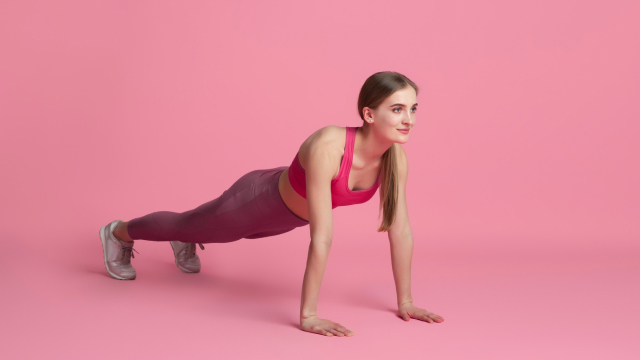
The best way to train your cores is by focusing on exercises that work multiple muscle groups at once. For example, doing planks will engage not just your abdominals but also your leg muscles, making it more effective than simply trying crunches or adding another set of lifts. On the other hand, if you only do exercises that target one muscle group at a time—like crunches alone—you'll leave yourself unable to build up strength in other areas of your body.
Another tip: make sure you're using proper form when performing these moves! It's important that every exercise be done with the correct technique so as not to put undue stress on joints and ligaments (which could lead to injury). If there are any questions about whether an exercise is right for you or not, consult with a fitness professional first before trying it out yourself; they should be able to help guide you through any concerns or worries while giving advice on alternative ways of getting fit without risking injury.
Try these three essential exercises before any workout.
The following three exercises are essential to any core training routine:
Why a strong core is important after 50.
As you get older, your core becomes more important than ever. It has a substantial impact on your body's stability and strength. A strong core helps improve posture and reduce the risk of back pain, injury, falls, and weakness in other muscles.
It is important to keep your core muscles strong, especially as you age. Your core is made up of several muscles that support your spine and help with movement, including those in the lower back, abdomen, and hips. If these muscles become weak or injured, they can affect your balance and posture.
Basic core exercises.
Stability ball exercises.
The stability ball is another effective tool for strengthening your core. To use it, you simply place the ball between your back and a wall (or other sturdy surfaces) and then perform the exercise as usual. Here are some of the best exercises to do on a stability ball:
Core rotation exercises.
Core rotation exercises are a great way to strengthen your core after 50. The following exercises require no equipment and can be done anywhere.
Core strengthening tools.
If you’re looking for core-strengthening tools that offer a greater range of motion and target specific muscles, these are the ones to try:
Core strength for golfers and baseball players.
Improve your posture.
You can improve your posture by strengthening and stretching the muscles around your spine, as well as maintaining a healthy weight and getting regular exercise.
Good posture is important for a healthy core because it helps you maintain proper alignment in the lower back and pelvis, which will help reduce stress in these areas. It also makes you appear taller, which can make you feel more confident about how you look. In addition to these benefits, improving your posture may improve other aspects of your life such as mood, energy levels, and appearance (you'll look younger).
Core after 50, stability isn’t just about exercise and sports.
Core stability is a fundamental concept for anyone over 50. It refers to your body's ability to maintain its position and alignment throughout all phases of an exercise, from start to finish. In other words, it’s about being able to support your own body weight with minimal effort and strain—whether you're doing pushups or walking down the street.
If you've ever had back pain after a particularly strenuous workout, chances are your core wasn't strong enough for the task. Or maybe you've experienced lower back pain due to poor posture at work or home—in which case a lack of core stability might have been at play there too.
In fact, weak core muscles are associated with just about every injury we experience in daily life: low back pain; shoulder injuries like rotator cuff tears; knee problems such as patellofemoral syndrome (PFPS); hip bursitis; pelvic floor dysfunction...the list goes on and on!
You can train your body at any age!
Exercise is important for your health, body, and mind. It helps you live longer. It can also help you feel better and look better.
There are many benefits of exercise:
Exercise is important at any age!
Conclusion
So, what are you waiting for? Get out there and start training!
This article is for informational purposes only and does not constitute medical advice. Always consult a qualified healthcare professional before making changes to your health routine.
youwillfit Editorial Team
Editorial
Fitness, nutrition and wellness content from the youwillfit team.