10 Home Workouts for Busy Professionals
The top 10 types of workouts to boost your fitness level and improve your health. Learn about the benefits of HIIT, yoga, Pilates, and more.
Introduction
If you're a busy professional, it's important to stay in shape. You might think that your work schedule leaves no time for exercise, but this doesn't have to be true! With just 30 minutes per day and some simple equipment, you can get the body of your dreams without even leaving the house.
The benefits of staying fit are numerous: better sleep quality; reduced risk of heart disease and diabetes; improved mood; higher energy levels during the day (and less stress). If these reasons aren't enough for you--and they should be--then consider this: being physically active can help increase productivity at work by improving concentration levels and reducing fatigue from sitting too long behind a desk all day long!
Benefits of Home Workouts
Home workouts are a convenient, cost-effective, and private way to stay in shape.
You'll save time by not having to commute or wait in line at the gym. You can also do your workout at any time that suits you, without having to worry about missing out on something else because of your workout schedule.
If privacy is important for you, then home workouts may be ideal as well: no one will see what exercises you're doing or judge them based on their own personal preferences!
Importance of the Warmup
Warming up is an essential part of any workout. It increases blood flow to your muscles, which helps them perform better and prevents injury. Warming up also improves flexibility by lengthening muscles and tendons before they're put under stress.
Warm-up exercises should be done for at least five minutes and should include:
To help you get through the 10 home workouts below, we recommend doing each exercise for 30 seconds with 15 seconds rest between each move before moving on to the next one. After completing all 10 exercises once through, repeat them again two more times--for a total of three sets per workout!
Workout #1: High-Intensity Interval Training (HIIT)
HIIT is a type of high-intensity exercise that involves alternating between short bursts of intense activity and brief recovery periods. In other words, you'll be doing something like sprinting for 30 seconds, then walking or jogging for 90 seconds before repeating the cycle again.
This type of workout has been shown to improve your aerobic capacity (the amount of oxygen your body can consume during exercise), increase fat burning, and improve insulin sensitivity--all important factors in weight loss!
HIIT also helps build muscle mass by increasing protein synthesis rates within the muscle tissue itself. This means that even if you don't lose any weight while doing HIIT workouts regularly, they could still help keep those pesky love handles at bay!
Workout #2: Resistance Band Workouts
Resistance band workouts are a great way to get your workout in, especially if you're short on time. They require minimal equipment and can be done anywhere, so they're perfect for busy professionals who want to stay fit but don't have much time.
Resistance bands are elastic bands that come in varying degrees of resistance (the higher the number, the harder it is). They're used by fitness enthusiasts everywhere because they provide an intense workout without putting any strain on your joints or muscles. Resistance bands can also be used as props for other exercises like squats or push-ups--just wrap one around each foot for extra stability!
To perform resistance band exercises correctly:
Make sure not to hold onto anything else while performing these movements unless instructed otherwise by an instructor/trainer beforehand because doing so might cause injury due to lack of proper form being followed closely enough during execution."
Workout #3: Yoga
Yoga is an ancient practice that originated in India. It involves physical postures (asanas), breathing techniques (pranayama), and meditation. Yoga has been shown to improve flexibility, strength, balance, and coordination.
Yoga can be performed at home or in a studio with the help of an instructor. The following are some basic yoga poses:
During this exercise, it should also be pointed straight ahead rather than turned outwards like most people tend to do when doing this exercise incorrectly which will cause unnecessary stress on their lower back muscles causing discomfort instead of relieving it like intended by doing so correctly rather!
Workout #4: Pilates
Pilates is a form of exercise that focuses on core strength, flexibility, and balance. It's also great for improving posture and helping you to lose weight by increasing lean muscle mass.
The basic moves in Pilates involve controlled breathing while engaging your core muscles. The exercises are done on the floor with no equipment needed--you can do them at home or even at work!
Workout #5: Jump Rope
Jump rope is a great way to burn calories, improve your cardiovascular health and get in shape. Jumping rope can also help you lose weight because it's an intense workout that burns a lot of calories in a short period of time.
The jump rope was invented by Dr. Thomas D. Peebles in the late 1800s as part of his exercise routine for patients at the University Hospital in Ohio State University (OSU). He used this simple piece of equipment to help patients recover from surgery or illness by improving their stamina and strength through jumping exercises like skipping or double unders (jumping two feet off the ground).
Workout #6: Bodyweight Exercises
Bodyweight exercises are a great way to stay in shape. They don't require any equipment and can be done almost anywhere, so they're perfect for when you're on the go.
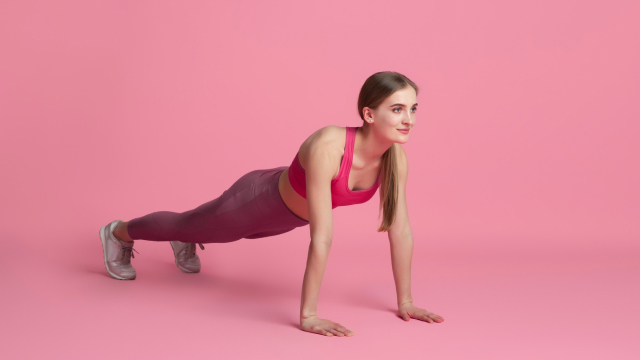
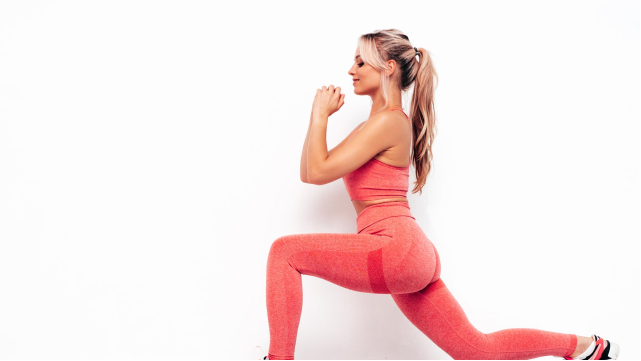
Bodyweight exercises include push-ups, squats, lunges, and sit-ups. These moves work your entire body because they involve muscles throughout your arms, legs, and core. The best part? They don't require any machines or fancy equipment--just your own body weight!
To get started with bodyweight exercises:
Workout #7: Tabata
Tabata is a high-intensity interval training (HIIT) workout that requires you to perform 20 seconds of intense exercise followed by 10 seconds of rest. The total time spent on each exercise will be 4 minutes, so you'll need to repeat this 8 times for 32 minutes.
To do Tabata correctly, choose one or two exercises from the list below:
Workout #8: Stretching
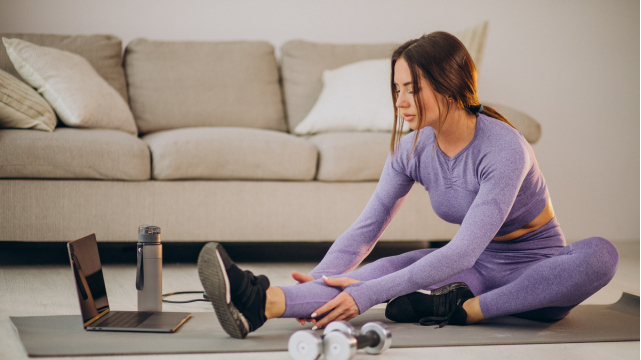
Stretching is a great way to improve your flexibility and prevent injury. It's also a good way to warm up before exercising, as it increases blood flow, which helps increase the oxygen supply to muscles.
Stretching can be done at any time of day--before or after workouts, at work if you have some downtime during the day (for example, between meetings), or even at home before bedtime if you're feeling stiff from sitting in front of a computer all day long! Stretching should be done gently while holding each stretch for 10-30 seconds depending on how flexible you are; hold it longer if necessary until you feel the tension release from the muscle group being stretched outwards towards other parts of your body such as shoulders/back etcetera...
Workout #9: Cardio
Cardio is a great way to burn fat and get your heart rate up. It's also one of the best ways to keep your body healthy and fit, which is why it's recommended for everyone--even if you're not trying to lose weight! In fact, cardio helps prevent disease and increase longevity by strengthening the heart muscle, building endurance, and improving metabolism.
Cardio workouts can be performed almost anywhere using little or no equipment at all:
You don't need much time either--just 30 minutes per day will do wonders!
Workout #10: Circuit Training
Circuit training is a type of exercise that involves performing a variety of exercises in rapid succession. With little or no rest between them. By doing this, you can get an intense workout in just 30 minutes!
Circuit training has many benefits:
To perform circuit training correctly, choose three to five exercises that target different parts of your body. For example chest press, triceps extension, bicep curl. Perform each exercise for one minute without stopping. Then rest for 30 seconds before moving on to the next exercise in your circuit routine. Until all exercises have been completed twice through their respective circuits (or however many times is appropriate for your fitness level).
Conclusion
This article is for informational purposes only and does not constitute medical advice. Always consult a qualified healthcare professional before making changes to your health routine.
youwillfit Editorial Team
Editorial
Fitness, nutrition and wellness content from the youwillfit team.